
asking questions
a simple question (one you've probably asked) in the most ordinary of settings, unleashed the most emotional response

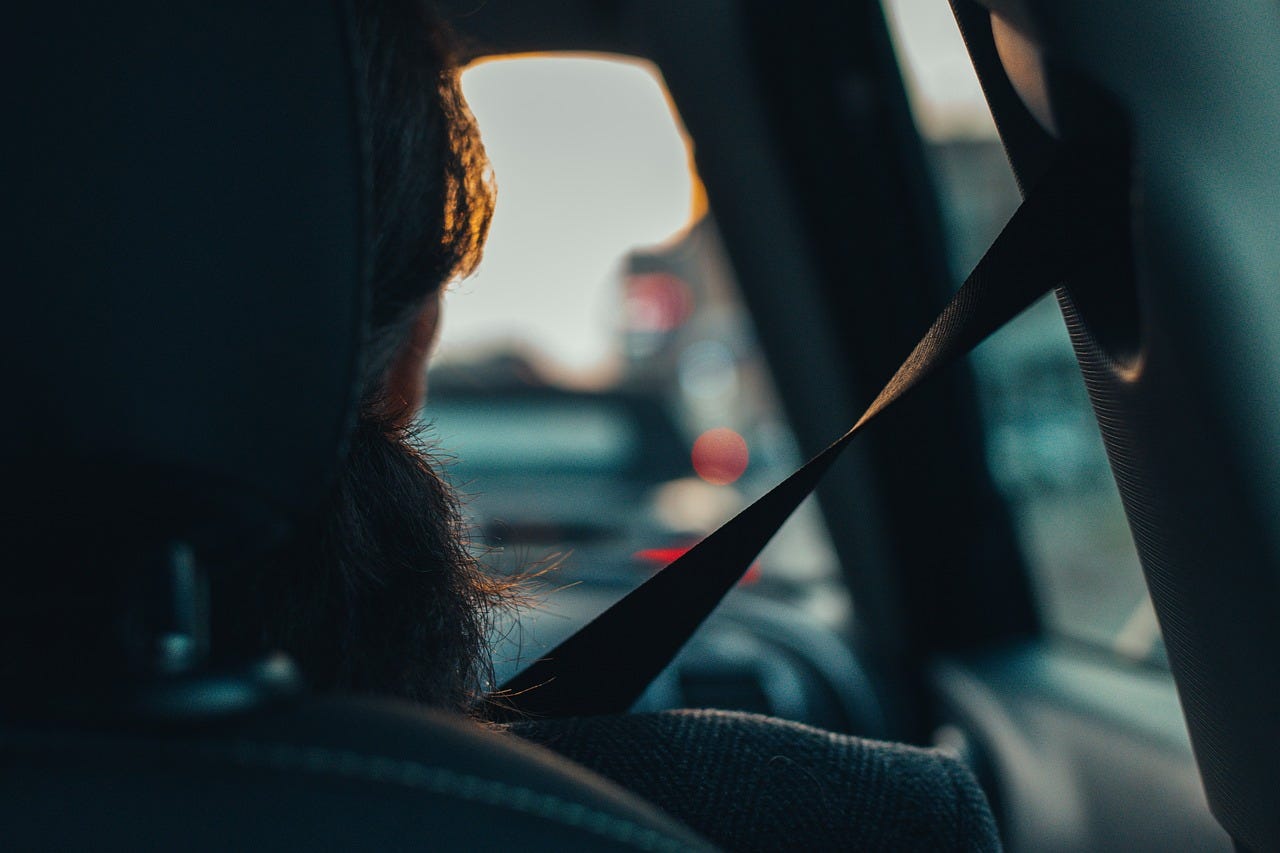
His accent thick, his eyes tired.
“How long have you been here?” I ask as we start the 20 minute Uber home.
It all comes quite quickly.
A release for him, a shock for me.
“I’ve been here five years. I’m still waiting to have my case processed. I got on a boat at 19 because my family we’re being killed. My uncles, my cousins. My parents put me on a boat and I haven’t seen them since. My grandmother is close to dying and my family want to meet in Singapore so we can say goodbye. But the government have said if I leave, they won’t let me back in. But I’ve been waiting for five years to have my case processed and so I drive Uber for money and have few friends and know that my grandmother is dying and I can’t say goodbye.”
There are tears and wiping of eyes and apologies for the showing of emotion.
From him.
I’m too overwhelmed to offer much comfort other than my open ears, concerned eyes, and utterances of, “Oh gosh” and “I’m so sorry”.
When I was 24 I was enjoying my first corporate role after graduating university, having Saturday breakfast with girlfriends and weekend trips to the beach, knowing I could jump on a plane at any time and fly to North Queensland from Brisbane to see my family. What were you doing at 24?
My ride is almost over.
The telling of his story and releasing of emotions takes most of the trip.
We pull up outside my door and he apologises again, “I’m sorry. I’m just so tired and you seem so nice. No-one really asks about me and you asked, so I told you. I’m sorry.”
His apology unnecessary.
To be honest I felt the apology should have been coming from me.
Imagine feeling your best option for a future is to get on a boat of questionable reliability, to cross an ocean that could swallow you whole, to land in a place where you know no-one, to then spend your days waiting for a decision on whether you can stay.
Or what seems a possibly worse fate, be detained indefinitely.
How bad must things be that this seems a viable, or even desirable option?
“Please don’t apologise,” I said. “I’m glad you felt comfortable to talk to me. I’m sorry you’re in this position. Please look after yourself.”
I’m not sure if I said “good luck”.
I hope I didn’t.
He doesn’t need luck.
He needs compassion and efficient processing times and government bodies that assess the individual rather than apply blanket rulings over a myriad of cases and situations and humans.
I appreciate border security and immigration are obviously complex and multilayered issues. But in that car, with that young man crying to me, a stranger, I couldn’t help but feel for him.